Ticks found on pets or clothing
Record where this evidence appears and whether it is fresh or recurring. Its location can help focus the tick inspection.
Mission Viejo pest service
Tick risk is shaped by host animals, shaded cover, yard edges, pet routines, and outdoor activity. A property plan combines habitat changes, pet protection, personal checks, and targeted treatment where justified.
Pest evidence
For tick control, record the exact location, time, and frequency of fresh evidence before cleaning or applying a product. Several signs considered together are more useful than one clue alone.
Record where this evidence appears and whether it is fresh or recurring. Its location can help focus the tick inspection.
When checking for ticks, note the time and part of the building where this sign occurs. Repeated activity can help identify travel or nesting areas.
During a tick control assessment, photograph visible damage or physical evidence before repair when it is safe. New changes are more useful than old, undated signs.
Compare this possible sign of ticks with other evidence at the property and note any related moisture, food, shelter, or access conditions.
Property conditions
Brush, leaf litter, retaining wall gaps, pet resting areas, wildlife routes, and untreated yard margins can support ticks. Conditions vary sharply within the same property.
Inspect this condition near the areas where ticks has been reported. It may connect exterior activity with an indoor route.
For ticks, check whether this resource is available consistently and whether activity increases when conditions change.
Protected spaces can allow ticks to remain close to the building. Look for fresh evidence before making repairs or removing materials.
Inspection and service
The tick control process should confirm the pest, connect activity with property conditions, explain the selected control steps, and provide a practical way to check results.
Review where ticks have been encountered
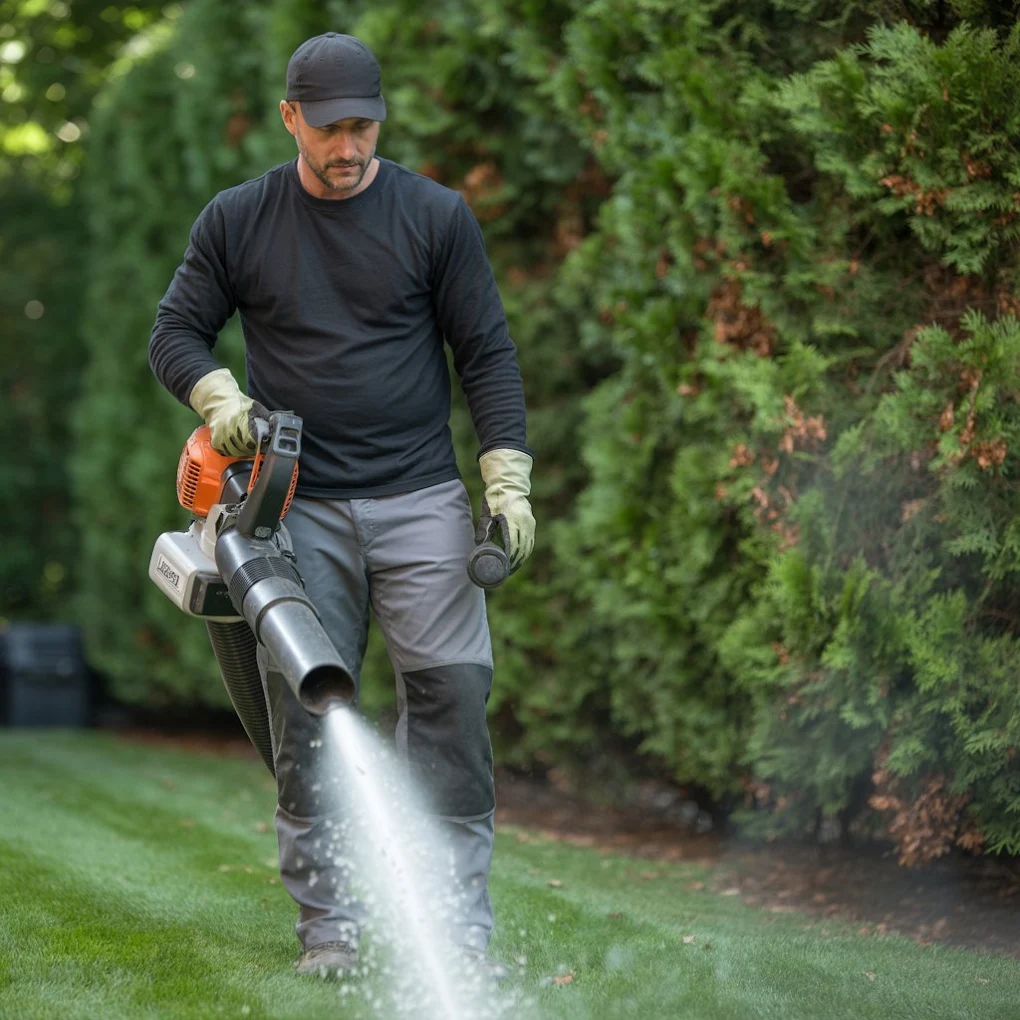
Inspect pet areas, shaded edges, and wildlife routes
Recommend habitat modification and pet-care coordination
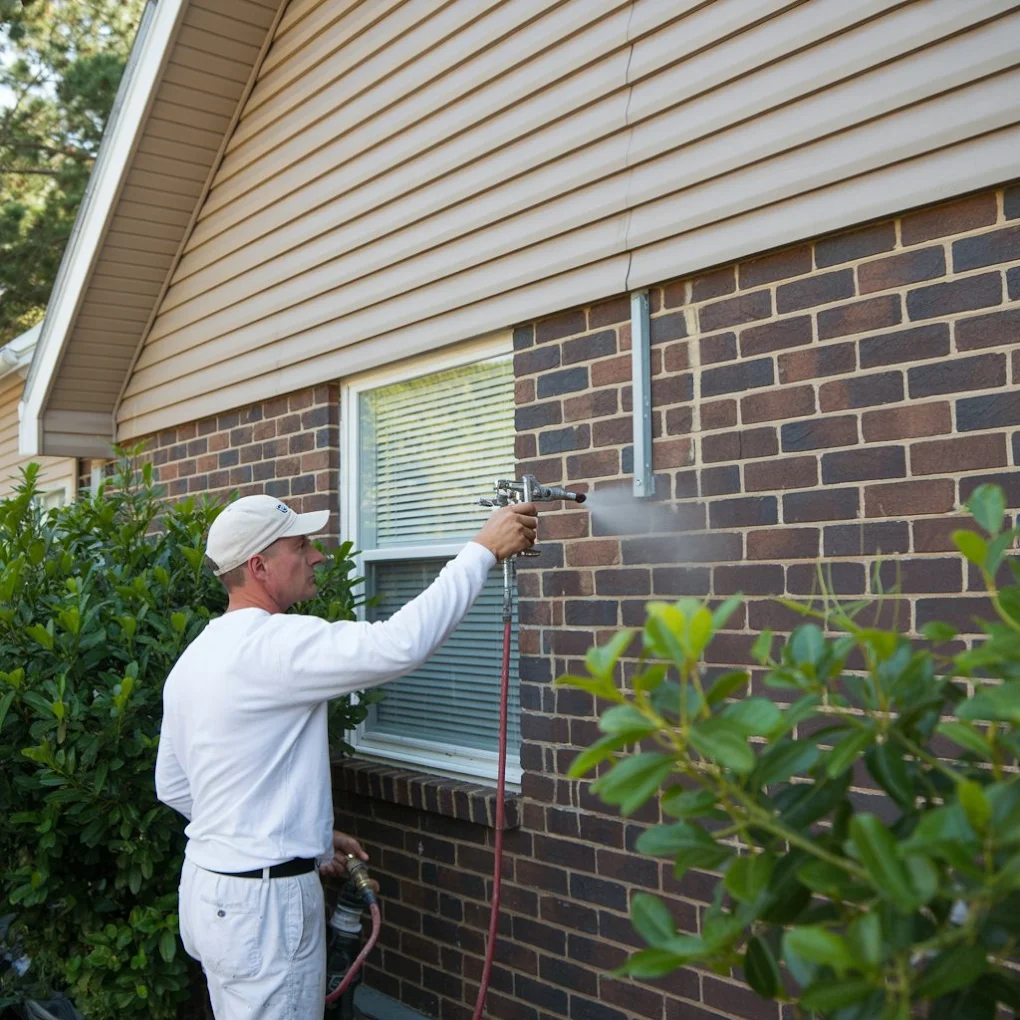
Treat targeted areas when appropriate and monitor
Inspection findings
Ticks tend to be associated with shaded edges, leaf litter, wildlife routes, pet resting places, and transitions between maintained yards and denser vegetation. Recording the exact pickup area is more helpful than treating the entire landscape as equally risky.
Leaf-litter removal, vegetation management, wildlife discouragement, and attention to yard edges can reduce suitable habitat. Treatment decisions should focus on confirmed or likely activity zones while preserving how the landscape is intended to function.
Regular tick checks, appropriate veterinary prevention, and inspection of the same yard edges help measure whether encounters are declining. Seek medical or veterinary guidance for an attached tick, symptoms, or questions about disease risk.
Before service
Before tick control, include the exact place where activity first appeared, how often it returns, recent moisture or building changes, and any products, repairs, or cleanup already completed. Clear photos or a safely collected specimen may also help with identification.
Pest prevention
Prevention should address the food, water, shelter, or access that supports ticks. The useful steps are the ones connected to findings at the individual property.
Homes
A residential plan should focus on the places people and pets actually use, not blanket every outdoor surface.
Residential pest control information →Businesses
Community landscapes, pet facilities, and outdoor work areas benefit from mapped high-use zones and maintenance coordination.
Commercial pest control information →Service areas
When assessing ticks, neighborhood features can influence pest pressure, but the inspection still needs to evaluate the building, landscaping, moisture, storage, and access at the individual property.
Service questions
Ticks favor protected, humid areas such as leaf litter, shaded edges, animal resting spots, and some dense ground cover.
Ticks do not jump or fly. They wait on vegetation or surfaces and grasp a passing host.
Mowing helps reduce some habitat but does not address every shaded edge, wildlife route, or pet resting area.
Remove it promptly with appropriate fine-tipped tools and follow current medical or veterinary guidance if illness or exposure is a concern.
Related services
Understand flea life cycles, pet-area inspection, treatment preparation, and follow-up for Mission Viejo homes and yards.
Explore flea controlReduce mosquito breeding and resting sites with property inspection, source reduction, and targeted control guidance in Mission Viejo.
Explore mosquito controlIdentification and control guidance for silverfish, moths, earwigs, crickets, flies, carpet beetles, centipedes, and millipedes.
Explore other pest controlService request
When calling about tick control, include the exact location, how long the activity has been present, and any steps already taken.