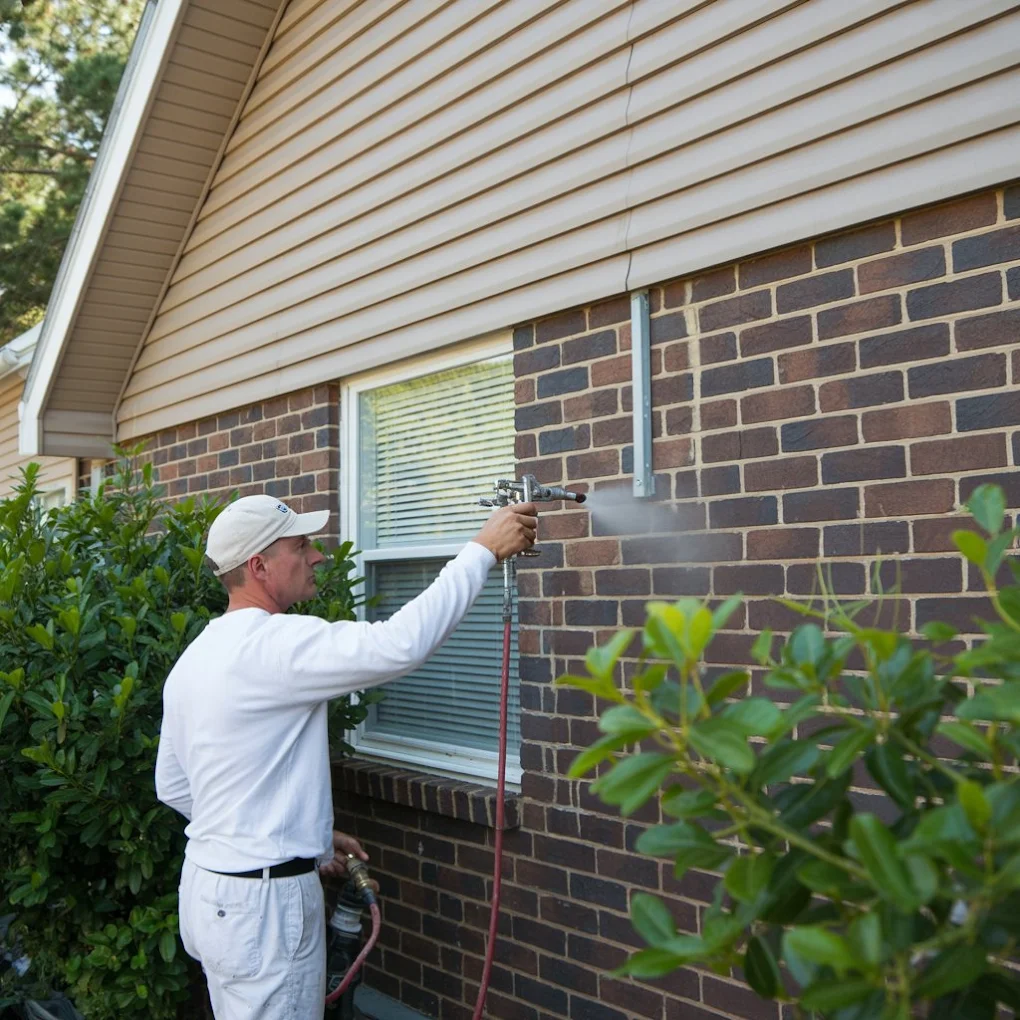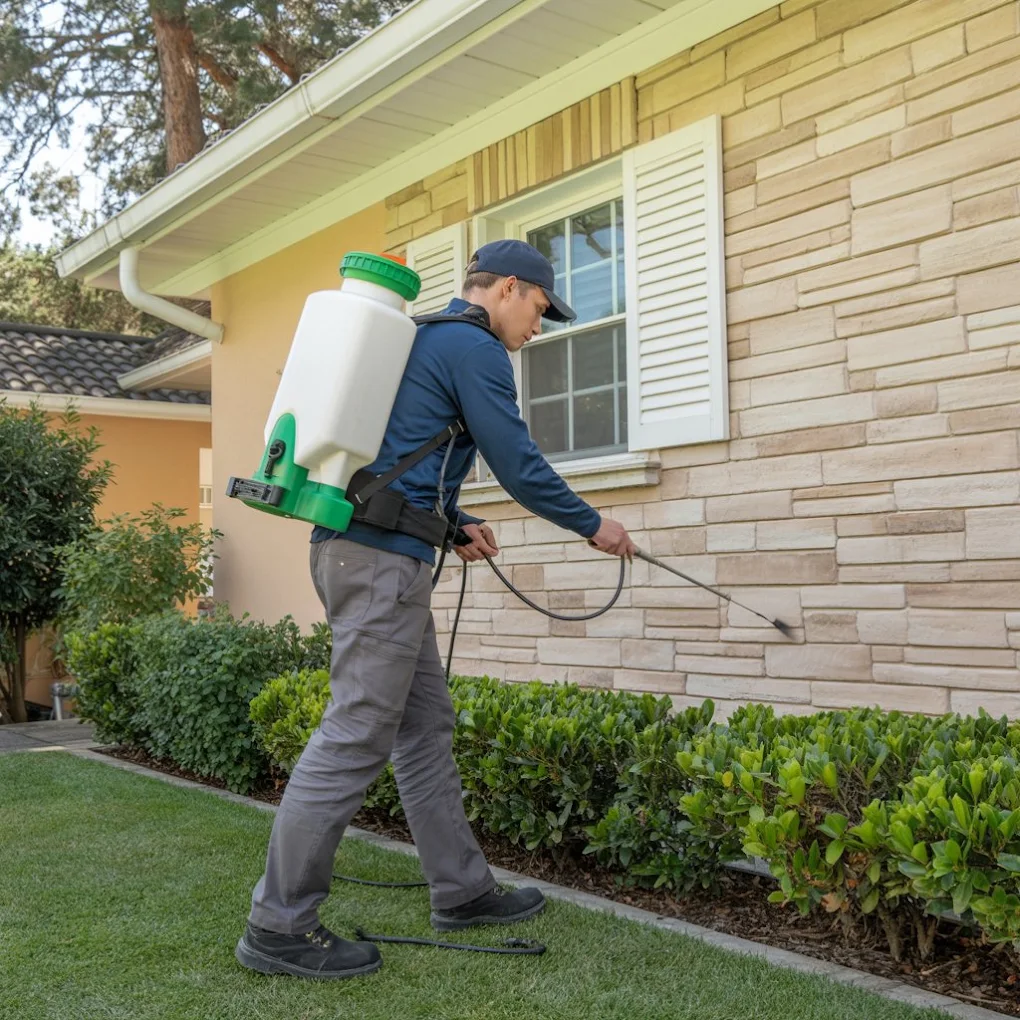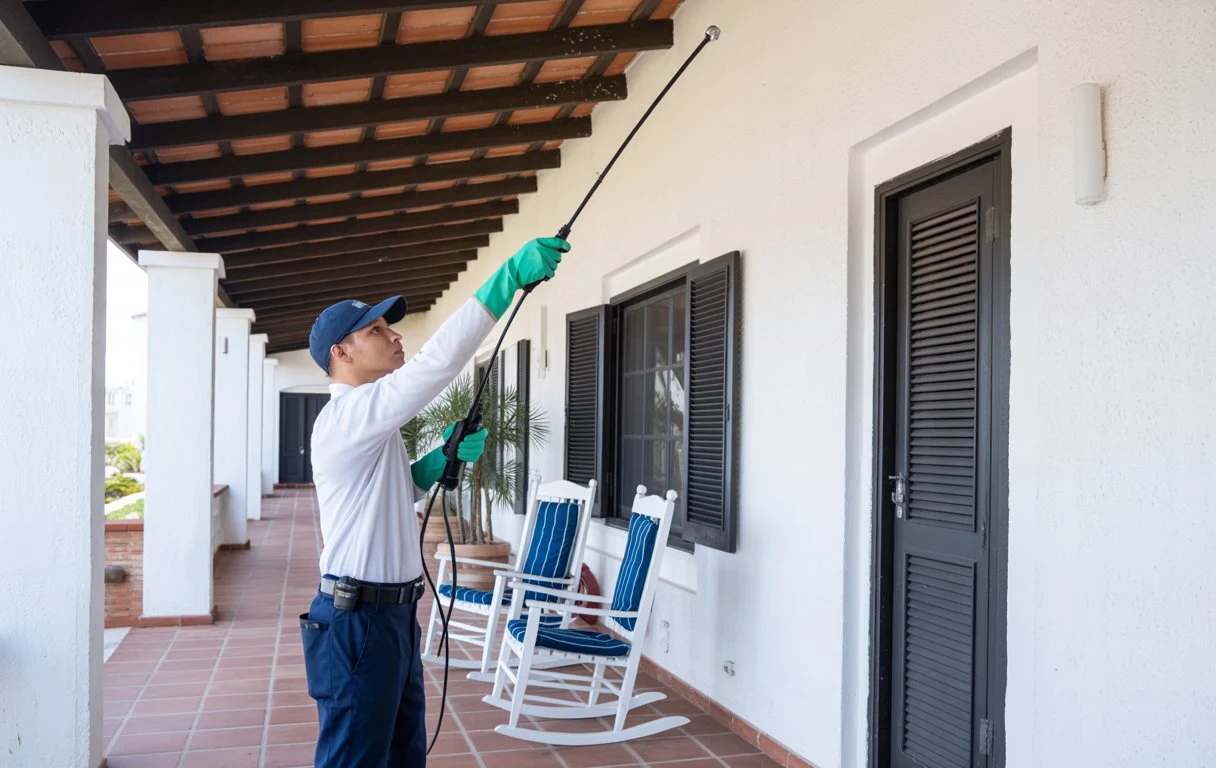
Fresh crescent or fan-shaped soil mounds
Seeing fresh crescent or fan-shaped soil mounds? Note the exact location and timing. It helps focus the inspection.
Mission Viejo pest service
Pocket gophers spend most of their lives underground. Fresh fan-shaped mounds, plugged burrow openings, and disappearing plants help distinguish their activity from surface-feeding animals.
Pest evidence
For gopher control, record the exact location, time, and frequency of fresh evidence before cleaning or applying a product. Several signs considered together are more useful than one clue alone.
Seeing fresh crescent or fan-shaped soil mounds? Note the exact location and timing. It helps focus the inspection.
Note which room or building feature shows a plugged opening offset from the mound center, and how often. Repeat activity in the same spot usually points to a nearby travel or nesting route.
Photograph plants pulled below ground before cleaning up or making repairs. Fresh, dated evidence helps an inspection more than old signs with no timeline.
Weigh damaged roots or irrigation lines against your other findings. Also note any moisture, food, shelter, or access nearby.
Property conditions
Irrigated lawns, soft soil, edible roots, slopes, and landscaped common areas can support burrow systems. Activity can move as food and soil conditions change.
Check this condition near wherever gopher activity has already been reported. It's often what's sustaining the tunnel system nearby.
Ask whether gophers have consistent access to this, since activity often increases whenever that condition changes.
Gophers can tunnel through connected spaces like this for a long time. Check for fresh mounds before any repair or removal.
Inspection and service
We confirm which tunnel is actually active and connect it to the property's soil and irrigation conditions. We then explain the control steps we recommend and give you a way to check that the activity has stopped.
Confirm gopher signs rather than mole or squirrel activity
Locate active tunnel sections
Use targeted control suited to the site
Level old mounds and monitor for fresh soil
Inspection findings
Fresh, moist soil and newly plugged openings help show where a gopher is currently working. Flatten old mounds and watch for new ones. That shows the active part of the tunnel system, so no effort goes into abandoned areas.
Trapping placed directly in the active tunnel is usually the most reliable gopher control method. We find the main tunnel from fresh mound patterns and don't treat every old mound in the yard. Underground bait stations are an option where trap access is limited. For garden beds or areas with buried irrigation you want to protect long-term, underground wire mesh exclusion around the root zone is available. A follow-up check confirms whether activity has stopped or a new gopher has moved into the vacated tunnel.
After work is completed, level remaining loose soil and monitor for fresh mounds or renewed plant damage. Continued activity may come from an untreated tunnel section or a new animal entering the area.
Before service
When you contact us about gophers, tell us where the activity first appeared and how often it returns. Also mention any recent irrigation or landscaping changes. Mention any products, repairs, or cleanup you've already tried. A clear photo or safely collected specimen can also help with identification.
Pest prevention
Focus prevention on what we actually find: the food, water, shelter, or access that's been supporting gophers.
Homes
Home landscapes need a focused response that protects gardens, turf, irrigation, pets, and nearby property boundaries.
Residential pest control information →Businesses
Large slopes and common areas benefit from mapping activity, repeated monitoring, and working with landscape crews.
Commercial pest control information →Service areas
Neighborhood conditions can affect gophers pressure. But the inspection still comes down to the building, landscaping, moisture, storage, and access at your property.
What to expect
Gopher service should map fresh activity rather than treating old mounds as proof of current use.
Bring the exact location of the activity, timing, and useful photos or notes. The first conversation can then focus on the evidence.
Planning and pricing
The scope depends on where active tunnels are, how fresh the mounds are, irrigation, slope, plants, and which areas need monitoring or repair.
Service questions
It's often fan or crescent shaped with a plugged opening off to one side, unlike the more circular volcano-like mound associated with moles.
Old tunnels may be reoccupied, neighboring gophers may move in, or the original active runway may not have been reached.
Yes. Burrowing and gnawing can disturb lines and alter soil around irrigation components.
Results vary, and shifting an animal within the property may not resolve the active burrow system. Confirmed, monitored methods are more dependable.
Related services
Identification and control guidance for silverfish, moths, earwigs, crickets, flies, carpet beetles, centipedes, and millipedes.
Explore other pest controlPractical pest inspection, treatment, prevention, and follow-up for Mission Viejo homes, condos, and townhomes.
Explore residential pest controlPest management that starts with an inspection, for Mission Viejo offices, shops, restaurants, associations, and other businesses.
Explore commercial pest controlService request
When you call about gopher control, tell us: