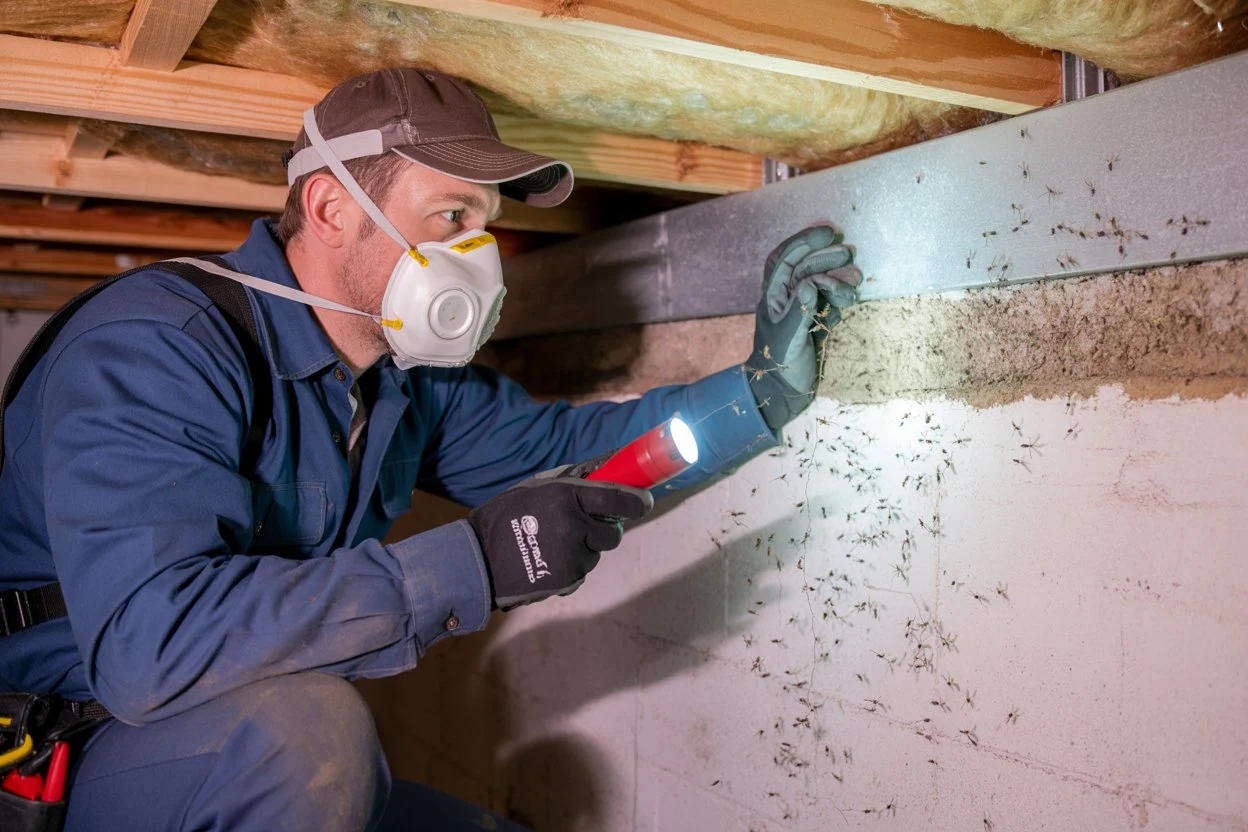
Recurring insects in kitchens or bathrooms
Record where this evidence appears and whether it is fresh or recurring. Its location can help focus the residential pest inspection.
Mission Viejo pest service
A residential pest plan should fit the building, the people and pets who live there, and the specific evidence present. Inspection comes first so indoor treatments can stay focused and exterior conditions can be corrected where practical.
Pest evidence
For residential pest control, record the exact location, time, and frequency of fresh evidence before cleaning or applying a product. Several signs considered together are more useful than one clue alone.
Record where this evidence appears and whether it is fresh or recurring. Its location can help focus the residential pest inspection.
When checking for household pests, note the time and part of the building where this sign occurs. Repeated activity can help identify travel or nesting areas.
During a residential pest control assessment, photograph visible damage or physical evidence before repair when it is safe. New changes are more useful than old, undated signs.
Compare this possible sign of household pests with other evidence at the property and note any related moisture, food, shelter, or access conditions.
Property conditions
Mission Viejo homes range from detached houses with mature landscaping to condos with shared walls and common areas. Rooflines, garages, patios, irrigation, storage, and neighboring conditions can all affect pest pressure.
Inspect this condition near the areas where household pests has been reported. It may connect exterior activity with an indoor route.
For household pests, check whether this resource is available consistently and whether activity increases when conditions change.
Protected spaces can allow household pests to remain close to the building. Look for fresh evidence before making repairs or removing materials.
Inspection and service
The residential pest control process should confirm the pest, connect activity with property conditions, explain the selected control steps, and provide a practical way to check results.
Listen to what you have seen and where
Inspect likely sources, travel routes, and conducive conditions
Explain a targeted service plan and preparation
Treat, document, and set appropriate follow-up
Inspection findings
Children, pets, work-from-home areas, kitchens, bedrooms, garages, and outdoor living spaces all affect access and preparation. Describe where people spend time and where evidence appears so inspection and service can be planned around the actual home rather than a generic floor plan.
A recurring ant trail, termite evidence, and attic noise each require different tools and follow-up. The plan should identify the immediate concern, explain any preparation, and separate repairs or prevention tasks from treatment so the household knows what happens first.
Note new sightings, sounds, damage, or changes in monitoring devices. A short record with dates and locations is easier to evaluate than memory alone and can show whether activity is declining, moving, or returning from the same source.
Before service
Before residential pest control, include the exact place where activity first appeared, how often it returns, recent moisture or building changes, and any products, repairs, or cleanup already completed. Clear photos or a safely collected specimen may also help with identification.
Pest prevention
Prevention should address the food, water, shelter, or access that supports household pests. The useful steps are the ones connected to findings at the individual property.
Homes
Service should balance effective control with clear instructions, careful placements, and respect for daily routines.
Residential pest control information →Businesses
For mixed-use or managed communities, resident communication and responsibility for shared areas should be defined before work begins.
Commercial pest control information →Service areas
When assessing household pests, neighborhood features can influence pest pressure, but the inspection still needs to evaluate the building, landscaping, moisture, storage, and access at the individual property.
Service questions
It depends on the pest, property conditions, and tolerance for activity. Some issues are resolved with targeted work; others benefit from monitoring.
That depends on the method and product. Preparation and re-entry instructions should be explained before treatment.
Many prevention plans emphasize exterior sources, but confirmed indoor activity may require targeted indoor work.
Keep affected areas accessible, preserve evidence where safe, and note when and where activity occurs.
Related services
Understand termite warning signs, inspection steps, treatment considerations, and prevention for Mission Viejo properties. Request termite control service.
Explore termite controlFind the source of rat or mouse activity with rodent inspection, control, exclusion, and prevention guidance for Mission Viejo homes and businesses.
Explore rodent controlUnderstand ant trails, nesting conditions, treatment choices, and prevention for kitchens, patios, walls, and landscapes in Mission Viejo.
Explore ant controlService request
When calling about residential pest control, include the exact location, how long the activity has been present, and any steps already taken.