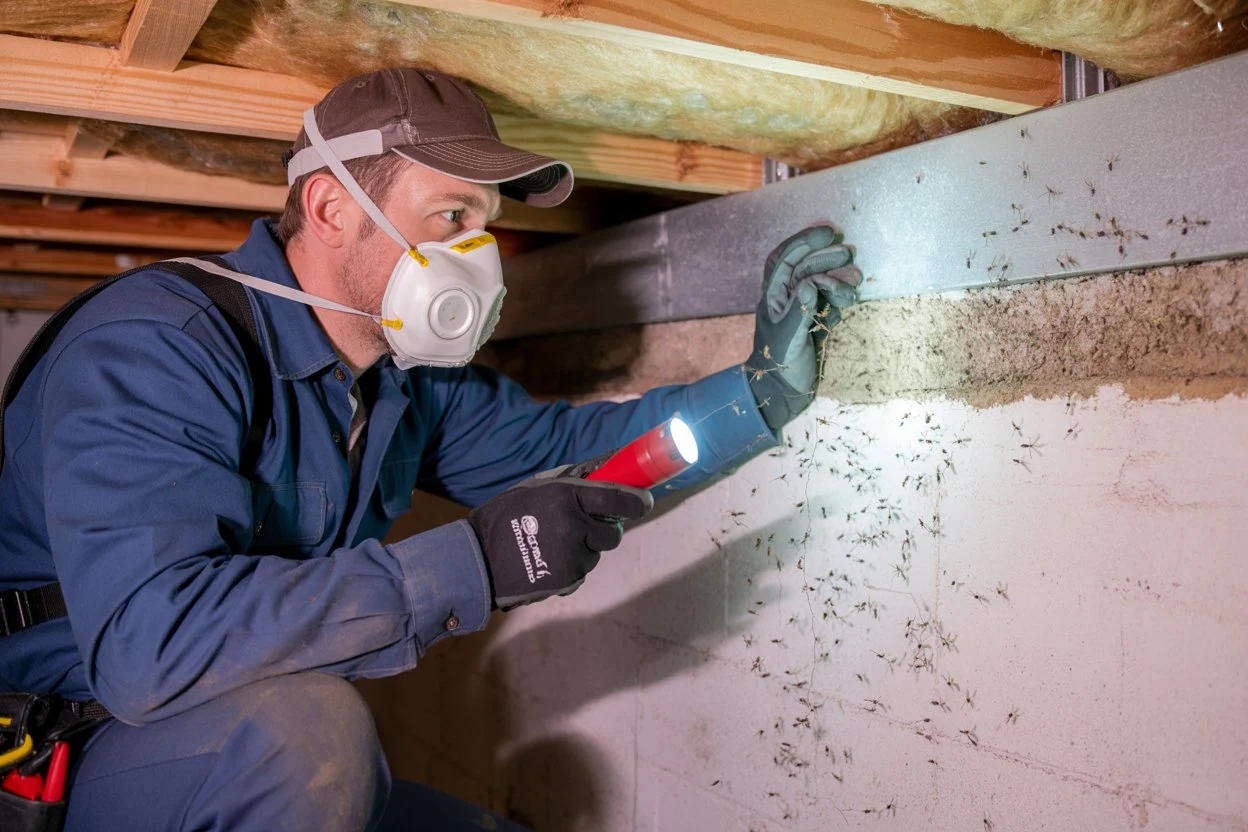
Pest sightings reported by staff or customers
Record where this evidence appears and whether it is fresh or recurring. Its location can help focus the commercial pest inspection.
Mission Viejo pest service
Commercial pest management should protect people, property, inventory, and reputation without disrupting operations. The plan needs clear documentation, defined responsibilities, and service intervals based on risk rather than a generic schedule.
Pest evidence
For commercial pest control, record the exact location, time, and frequency of fresh evidence before cleaning or applying a product. Several signs considered together are more useful than one clue alone.
Record where this evidence appears and whether it is fresh or recurring. Its location can help focus the commercial pest inspection.
When checking for commercial pest activity, note the time and part of the building where this sign occurs. Repeated activity can help identify travel or nesting areas.
During a commercial pest control assessment, photograph visible damage or physical evidence before repair when it is safe. New changes are more useful than old, undated signs.
Compare this possible sign of commercial pest activity with other evidence at the property and note any related moisture, food, shelter, or access conditions.
Property conditions
Deliveries, shared walls, floor drains, waste handling, after-hours activity, landscape edges, and frequent door use can introduce or sustain pest issues.
Inspect this condition near the areas where commercial pest activity has been reported. It may connect exterior activity with an indoor route.
For commercial pest activity, check whether this resource is available consistently and whether activity increases when conditions change.
Protected spaces can allow commercial pest activity to remain close to the building. Look for fresh evidence before making repairs or removing materials.
Inspection and service
The commercial pest control process should confirm the pest, connect activity with property conditions, explain the selected control steps, and provide a practical way to check results.
Review the facility, operating schedule, and risk areas
Inspect interior and exterior critical control points
Create a documented treatment and monitoring plan
Report findings, corrective actions, and follow-up needs
Inspection findings
Receiving areas, waste handling, storage, food preparation, shared walls, utility routes, employee spaces, and customer areas create different risks. An assessment should connect pest evidence to daily workflows and identify which corrections belong to service staff, management, maintenance, or occupants.
Commercial pest management works best with defined monitoring points, service records, corrective actions, and clear communication. Treatment should fit operating hours and sensitive areas without obscuring sanitation, maintenance, or neighboring conditions that continue to support activity.
Sightings by shift, location, delivery day, weather, or maintenance event can reveal a pattern before activity becomes widespread. Staff should know what to report, what not to disturb, and who is responsible for each recommended correction.
Before service
Before commercial pest control, include the exact place where activity first appeared, how often it returns, recent moisture or building changes, and any products, repairs, or cleanup already completed. Clear photos or a safely collected specimen may also help with identification.
Pest prevention
Prevention should address the food, water, shelter, or access that supports commercial pest activity. The useful steps are the ones connected to findings at the individual property.
Homes
For managed residential properties, unit-level work and common-area responsibilities should be coordinated consistently.
Residential pest control information →Businesses
Restaurants, offices, retail, healthcare-adjacent spaces, and associations have different exposure and documentation needs; service should reflect those differences.
Commercial pest control information →Service areas
When assessing commercial pest activity, neighborhood features can influence pest pressure, but the inspection still needs to evaluate the building, landscaping, moisture, storage, and access at the individual property.
Service questions
Scheduling options depend on access and treatment, but the operating schedule should be discussed during planning.
Useful records identify observations, monitoring results, service performed, and corrective actions for the facility.
Prompt reporting, sanitation routines, delivery inspection, and keeping monitoring points accessible all improve results.
No. Pest pressure, food exposure, building design, regulations, and operating conditions should determine the schedule.
Related services
Find the source of rat or mouse activity with rodent inspection, control, exclusion, and prevention guidance for Mission Viejo homes and businesses.
Explore rodent controlGet practical help identifying and controlling cockroaches in Mission Viejo kitchens, bathrooms, garages, drains, and commercial spaces.
Explore cockroach controlUnderstand ant trails, nesting conditions, treatment choices, and prevention for kitchens, patios, walls, and landscapes in Mission Viejo.
Explore ant controlService request
When calling about commercial pest control, include the exact location, how long the activity has been present, and any steps already taken.