Ant Control
Understand ant trails, nesting conditions, treatment choices, and prevention for kitchens, patios, walls, and landscapes in Mission Viejo.
Explore ant controlLocal pest inspection and control
Get help with pest control in Mission Viejo for homes, rental properties, offices, restaurants, retail spaces, and managed buildings. Common local pest problems include ants, termites, rodents, cockroaches, spiders, bed bugs, bees, wasps, and mosquitoes. A thorough pest inspection should identify the pest, locate signs of activity, and check the food, water, shelter, moisture, and entry points that may be allowing the problem to continue.
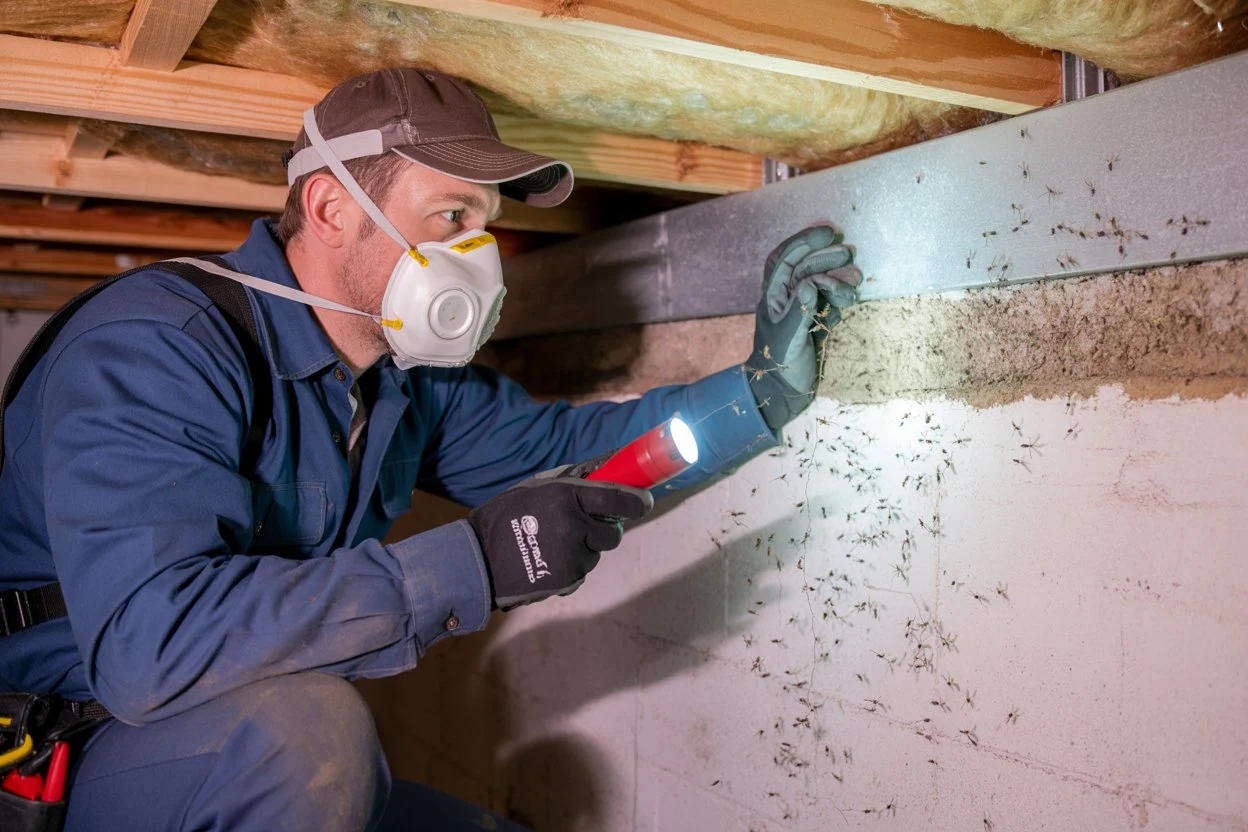
Photos, droppings, damage, trails, webbing, noises, and the time of activity can help narrow the source.
Compare signs in the pest library →Pest services
Choose the service that matches the evidence you are seeing. Each page explains identification, inspection priorities, treatment considerations, prevention, and follow-up.
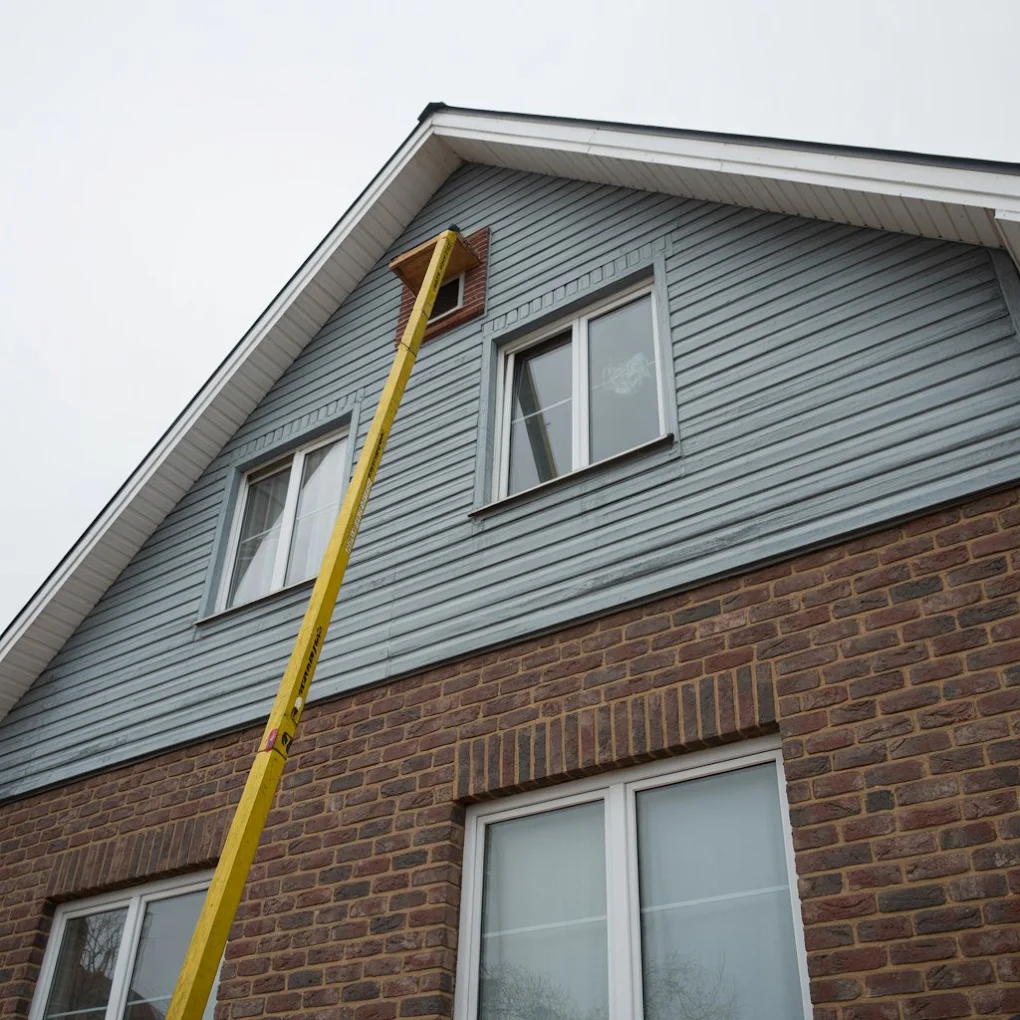
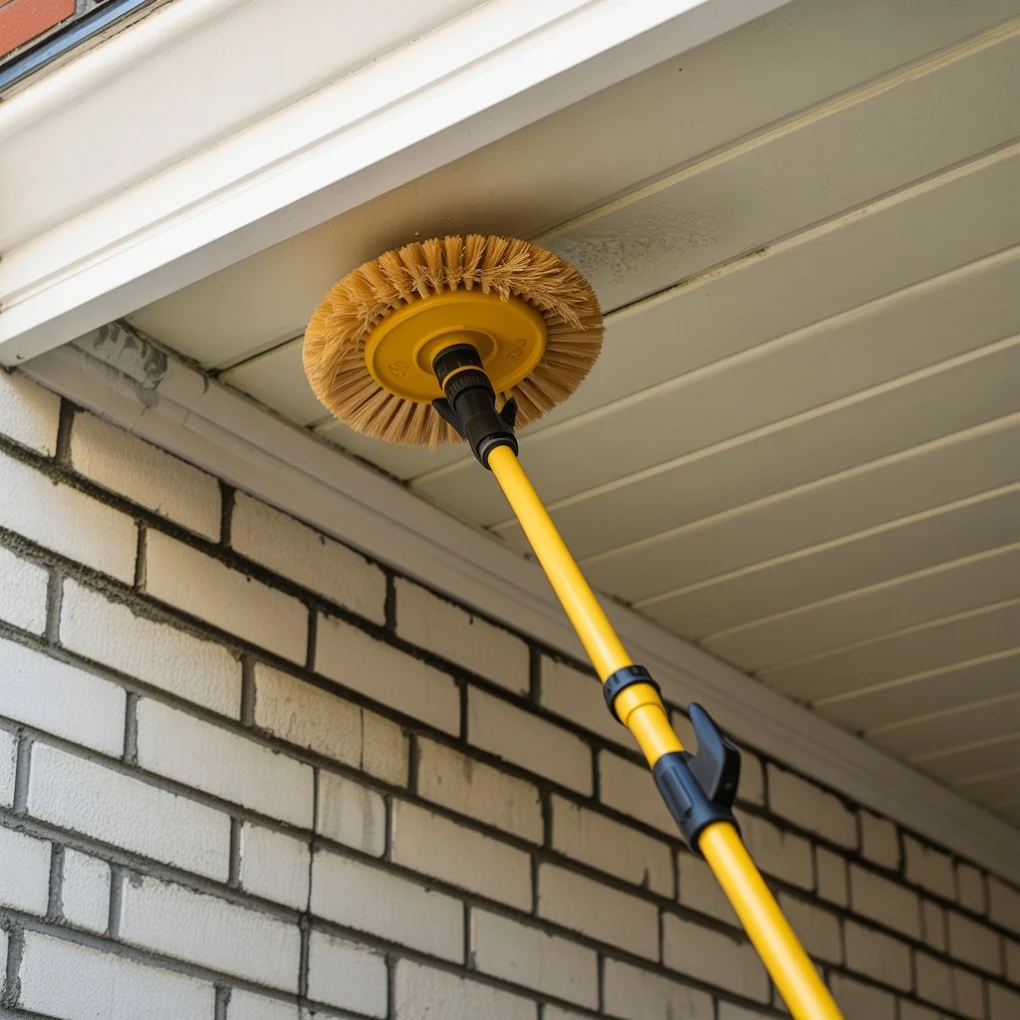
Understand ant trails, nesting conditions, treatment choices, and prevention for kitchens, patios, walls, and landscapes in Mission Viejo.
Explore ant controlUnderstand termite warning signs, inspection steps, treatment considerations, and prevention for Mission Viejo properties. Request termite control service.
Explore termite controlFind the source of rat or mouse activity with rodent inspection, control, exclusion, and prevention guidance for Mission Viejo homes and businesses.
Explore rodent controlGet practical help identifying and controlling cockroaches in Mission Viejo kitchens, bathrooms, garages, drains, and commercial spaces.
Explore cockroach controlReduce spider activity with inspection, web removal, prey management, exclusion, and practical prevention for Mission Viejo properties.
Explore spider controlLearn bed bug signs, preparation, treatment, monitoring, and prevention steps for Mission Viejo homes and lodging properties.
Explore bed bug exterminationRequest help assessing bees or wasps around eaves, wall voids, trees, patios, and high-traffic areas in Mission Viejo.
Explore bee & wasp removalReduce mosquito breeding and resting sites with property inspection, source reduction, and targeted control guidance in Mission Viejo.
Explore mosquito controlLocal pest activity
Warm weather, irrigated landscaping, mature vegetation, attached garages, tile roofs, patios, and shared walls can create different pest routes from one property to the next.
Ant trails often connect outdoor colonies with food or moisture indoors. Check counters, sinks, plumbing gaps, patio edges, irrigation zones, and plants touching the building. Repeated surface spraying may move a trail without addressing the colony.
Read about ant control →Drywood termites may remain inside structural or finish wood, while subterranean termites generally maintain a route to soil. Swarmers, discarded wings, mud tubes, pellets, and unexplained wood changes should be assessed before treatment is selected.
Read about termite control →Rats and mice use rooflines, garage gaps, utility openings, branches, fences, and wall voids. Effective rodent control combines monitoring with sanitation and exclusion after current travel routes have been identified.
Read about rodent control →Spiders often remain where insect prey and sheltered web sites are available. Cockroach activity is more closely tied to species, moisture, food, cardboard, drains, appliances, or exterior entry. Identification determines which conditions and treatment areas matter.
Spider control · Cockroach controlHomes
Residential pest control should account for the way the building is constructed and how people, pets, storage, kitchens, garages, and outdoor areas are used.
Detached homes may have several connections between landscaping and the structure, including branches near roofs, side-yard utilities, patio covers, eaves, garages, and foundation edges. Inspection should follow the route from exterior conditions to indoor evidence.
Shared walls, utility lines, attics, drains, common landscaping, and association-managed areas can affect where a pest problem begins and who can correct it. Record the precise unit area and any common-space activity before service is planned.
Exterior prevention focuses on access, standing water, vegetation, waste, stored materials, and moisture near the structure. Interior prevention includes food storage, plumbing leaks, door sweeps, screens, clutter reduction, and keeping inspection areas accessible.
Business properties
Commercial pest control needs clear monitoring, service records, corrective actions, and scheduling that fits how the property operates.
Food storage, preparation areas, floor drains, grease, deliveries, waste, warm equipment, and shared utility routes all require attention. Staff reporting and sanitation records can show whether sightings follow a particular shift, delivery, or maintenance issue.
Break rooms, stock areas, ceiling voids, rear doors, landscaping, and deliveries can introduce or support pest activity. Monitoring should cover employee-only areas as well as customer spaces without interfering with normal operations.
Multi-unit pest problems may cross plumbing lines, wall voids, hallways, waste areas, and landscaping. Accurate unit reports, access coordination, preparation instructions, and follow-up help distinguish an isolated issue from activity affecting several areas.
Inspection and treatment
The process begins with evidence and moves through identification, control, and practical steps that make follow-up easier to evaluate.
Review where and when activity appears, then check likely entry points, harborages, moisture, food, damage, droppings, trails, webbing, or nesting material.
Use physical evidence, behavior, location, and building conditions to distinguish the pest from similar insects, rodents, wildlife, or old damage.
Select pest-specific treatment, monitoring, removal, sanitation, or exclusion steps based on the findings and the areas that can be accessed safely.
Correct relevant food, water, shelter, and entry conditions, then check known activity zones for fresh evidence that shows whether the problem has stopped.
Local conditions
Regional conditions can influence pest pressure, but the source still depends on the moisture, landscaping, construction, storage, and access at the individual property.
Mild seasons allow many insects to remain active for long periods. Heat can change ant foraging and mosquito development, while cooler nights may lead rodents to seek sheltered attics, garages, wall voids, or storage areas.
Irrigation, drains, leaks, plant saucers, shaded soil, and dense vegetation can provide water or protected habitat. The practical response is to find persistent moisture near the affected area rather than assuming every landscaped space is a problem.
Connected vegetation, slopes, fences, block walls, utility lines, and rooflines can serve as travel routes. Outdoor pest pressure becomes an indoor issue only when a building also provides an opening, food, water, or shelter.
Local service areas
These neighborhood pages describe local property features and inspection priorities without assuming that every home in the same community has the same pest problem.
Guidance for landscaped properties, patios, water-holding containers, roof access, ants, rodents, mosquitoes, spiders, and termites.
Inspection considerations for shared landscaping, patios, garages, utility routes, attached or closely arranged homes, and common-area coordination.
Property guidance for tile roofs, attics, garages, block walls, patio covers, vegetation, open-space edges, and seasonal pest movement.
Information for slopes, retaining areas, multi-level exteriors, rooflines, side yards, mature planting, rodents, ants, and gophers.
Residential pest guidance involving patios, garages, community landscaping, utility penetrations, irrigation, drains, and shared responsibilities.
Inspection priorities for compact side yards, attached garages, neighborhood landscaping, standing water, exterior lighting, and pest entry points.
Clear pest information
The service process starts with the pest signs and conditions reported at the property. That keeps the inspection focused on the actual issue instead of assuming that every ant trail, attic noise, damaged board, or insect sighting needs the same treatment.
Service pages explain what evidence to preserve, which areas may need inspection, how treatment and exclusion decisions are made, and what prevention can realistically accomplish. Homeowners, tenants, business operators, and property managers can review this information before calling.
To ask about an infestation or arrange the next step, call (949) 288-4697. Include the location and timing of the activity so the conversation begins with useful information.
Pest control questions
Ants, termites, rats, mice, spiders, cockroaches, mosquitoes, bed bugs, bees, and wasps are among the pests property owners may encounter. The exact concern depends on the building, landscaping, moisture, food, access points, and season.
Consider a professional pest inspection when activity keeps returning, the pest cannot be identified, contamination or property damage is possible, or the affected area is unsafe or difficult to reach.
Southern California properties can encounter drywood and subterranean termites. Discarded wings, mud tubes, pellet-like droppings, or unexplained wood changes are reasons to request an inspection.
There is no single schedule for every property. The pest, level of activity, building conditions, treatment method, and monitoring results should determine whether service is one-time, followed by rechecks, or part of an ongoing plan.
Yes. Service information is available for homes, condos, townhomes, restaurants, offices, retail properties, apartments, and managed properties in Mission Viejo.
Contact us
Describe the pest if known, the exact place where activity appears, when it started, how often it returns, and any treatment, cleanup, or repairs already attempted. Mention whether the property is a home, rental, business, restaurant, office, or managed building.