Irregular holes in natural-fiber fabrics
Record where this evidence appears and whether it is fresh or recurring. Its location can help focus the occasional pest inspection.
Mission Viejo pest service
Not every household pest needs its own landing page or the same treatment. Accurate identification prevents unnecessary pesticide use and helps determine whether the source is stored food, fabric, moisture, landscaping, drains, or an occasional outdoor invader.
Pest evidence
For other pest control, record the exact location, time, and frequency of fresh evidence before cleaning or applying a product. Several signs considered together are more useful than one clue alone.
Record where this evidence appears and whether it is fresh or recurring. Its location can help focus the occasional pest inspection.
When checking for an unfamiliar pest, note the time and part of the building where this sign occurs. Repeated activity can help identify travel or nesting areas.
During a other pest control assessment, photograph visible damage or physical evidence before repair when it is safe. New changes are more useful than old, undated signs.
Compare this possible sign of an unfamiliar pest with other evidence at the property and note any related moisture, food, shelter, or access conditions.
Property conditions
Moisture, cardboard, stored textiles, pantry goods, drains, exterior lighting, door gaps, and dense ground cover create different niches for smaller pest problems.
Inspect this condition near the areas where an unfamiliar pest has been reported. It may connect exterior activity with an indoor route.
For an unfamiliar pest, check whether this resource is available consistently and whether activity increases when conditions change.
Protected spaces can allow an unfamiliar pest to remain close to the building. Look for fresh evidence before making repairs or removing materials.
Inspection and service
The other pest control process should confirm the pest, connect activity with property conditions, explain the selected control steps, and provide a practical way to check results.
Collect a clear photo or specimen when safe
Inspect the material or moisture source
Identify the pest before choosing control
Combine cleanup, exclusion, and targeted treatment
Inspection findings
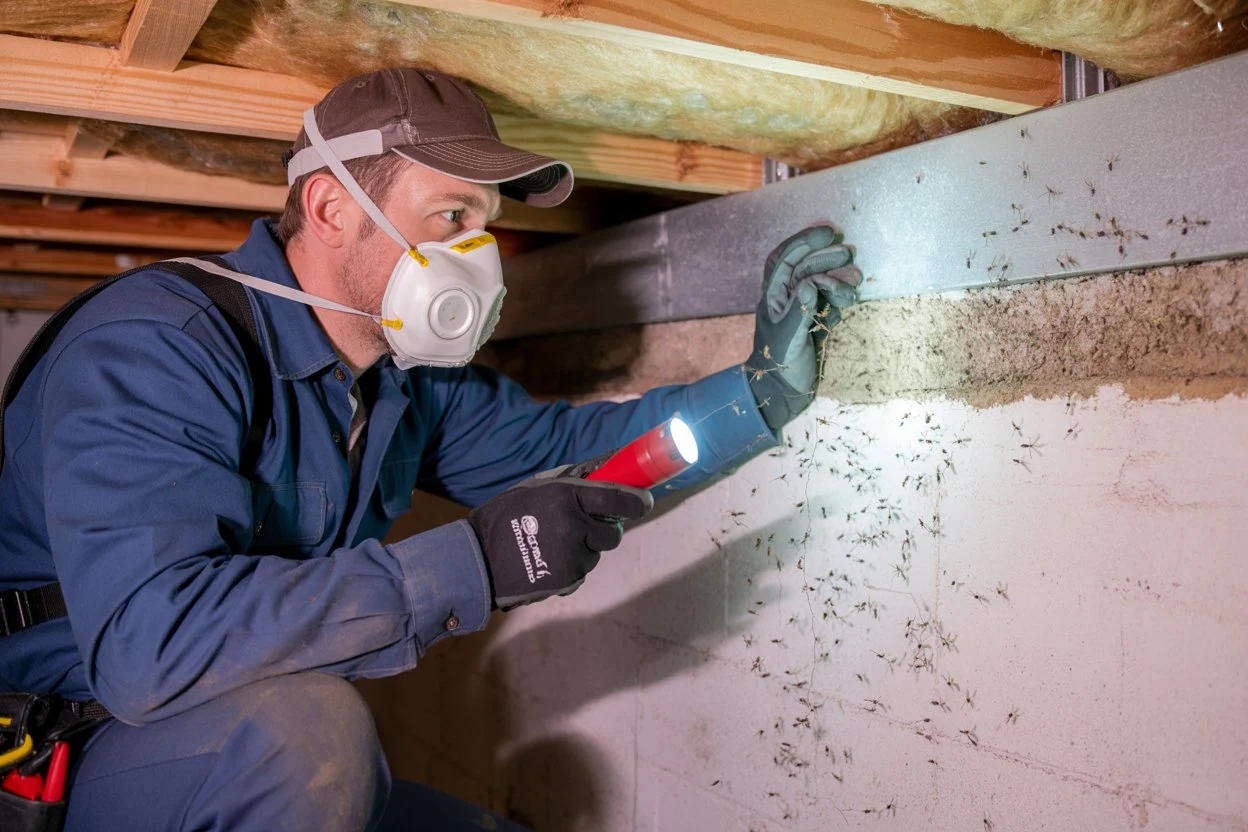
A clear photo, safely collected specimen, exact location, time of day, and description of movement can narrow an unfamiliar pest quickly. Note whether it appeared once or repeatedly and whether moisture, stored goods, plants, drains, or outdoor lighting are nearby.
Some insects wander indoors and disappear once a screen, door sweep, moisture source, or lighting issue is corrected. Others point to stored-product activity, a drain source, or an established population. The response should match the confirmed pest and its ability to persist indoors.
If activity returns, photograph the insect from above and beside a familiar object for scale, or keep it in a sealed container. Avoid handling stinging, biting, or medically concerning pests, and do not enter unsafe spaces to collect evidence.
Before service
Before other pest control, include the exact place where activity first appeared, how often it returns, recent moisture or building changes, and any products, repairs, or cleanup already completed. Clear photos or a safely collected specimen may also help with identification.
Pest prevention
Prevention should address the food, water, shelter, or access that supports an unfamiliar pest. The useful steps are the ones connected to findings at the individual property.
Homes
Identification is especially important indoors because several harmless or occasional pests resemble species that damage food or fabric.
Residential pest control information →Businesses
Stored products, deliveries, drains, lighting, and facility moisture should be evaluated based on the pest found.
Commercial pest control information →Service areas
When assessing an unfamiliar pest, neighborhood features can influence pest pressure, but the inspection still needs to evaluate the building, landscaping, moisture, storage, and access at the individual property.
Service questions
A clear photo can narrow possibilities, but size, location, behavior, and sometimes a specimen are needed for reliable identification.
They favor humid, protected spaces and may feed on paper, starches, or debris nearby.
They are commonly introduced in infested dry foods and can spread among poorly sealed packages.
They feed on other small organisms, so persistent indoor sightings can point to moisture or available prey.
Related services
Get practical help identifying and controlling cockroaches in Mission Viejo kitchens, bathrooms, garages, drains, and commercial spaces.
Explore cockroach controlReduce spider activity with inspection, web removal, prey management, exclusion, and practical prevention for Mission Viejo properties.
Explore spider controlUnderstand ant trails, nesting conditions, treatment choices, and prevention for kitchens, patios, walls, and landscapes in Mission Viejo.
Explore ant controlService request
When calling about other pest control, include the exact location, how long the activity has been present, and any steps already taken.