Pets scratching or grooming more than usual
Record where this evidence appears and whether it is fresh or recurring. Its location can help focus the flea inspection.
Mission Viejo pest service
Flea control must address more than adult fleas on a pet. Eggs, larvae, and pupae develop in bedding, carpets, furniture edges, shaded soil, and animal resting areas, so coordinated veterinary and property steps are often needed.
Pest evidence
For flea control, record the exact location, time, and frequency of fresh evidence before cleaning or applying a product. Several signs considered together are more useful than one clue alone.
Record where this evidence appears and whether it is fresh or recurring. Its location can help focus the flea inspection.
When checking for fleas, note the time and part of the building where this sign occurs. Repeated activity can help identify travel or nesting areas.
During a flea control assessment, photograph visible damage or physical evidence before repair when it is safe. New changes are more useful than old, undated signs.
Compare this possible sign of fleas with other evidence at the property and note any related moisture, food, shelter, or access conditions.
Property conditions
Pet bedding, shaded patios, wildlife, crawl spaces, carpet edges, and untreated resting areas can sustain the life cycle. Pupae may remain protected until vibration and warmth signal a host.
Inspect this condition near the areas where fleas has been reported. It may connect exterior activity with an indoor route.
For fleas, check whether this resource is available consistently and whether activity increases when conditions change.
Protected spaces can allow fleas to remain close to the building. Look for fresh evidence before making repairs or removing materials.
Inspection and service
The flea control process should confirm the pest, connect activity with property conditions, explain the selected control steps, and provide a practical way to check results.
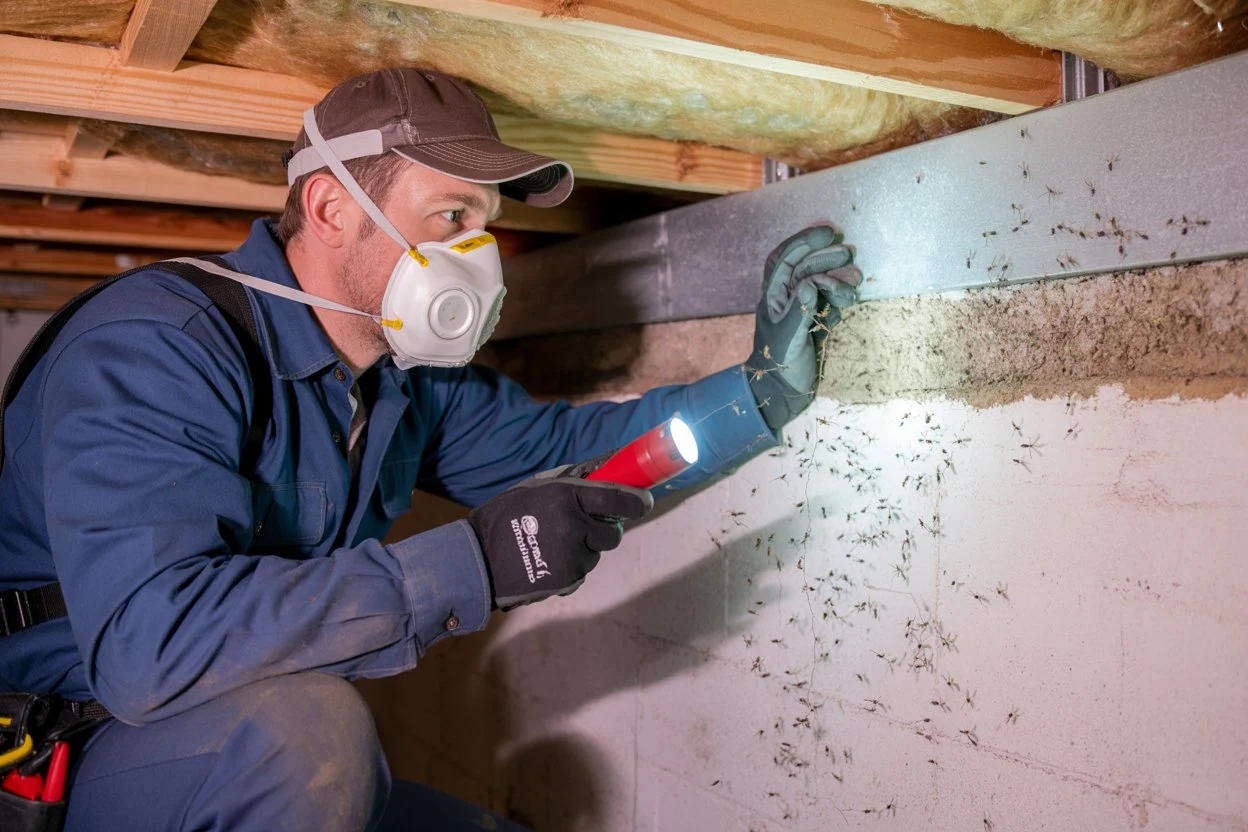
Confirm flea evidence and map pet or wildlife resting areas
Coordinate property preparation with veterinary care
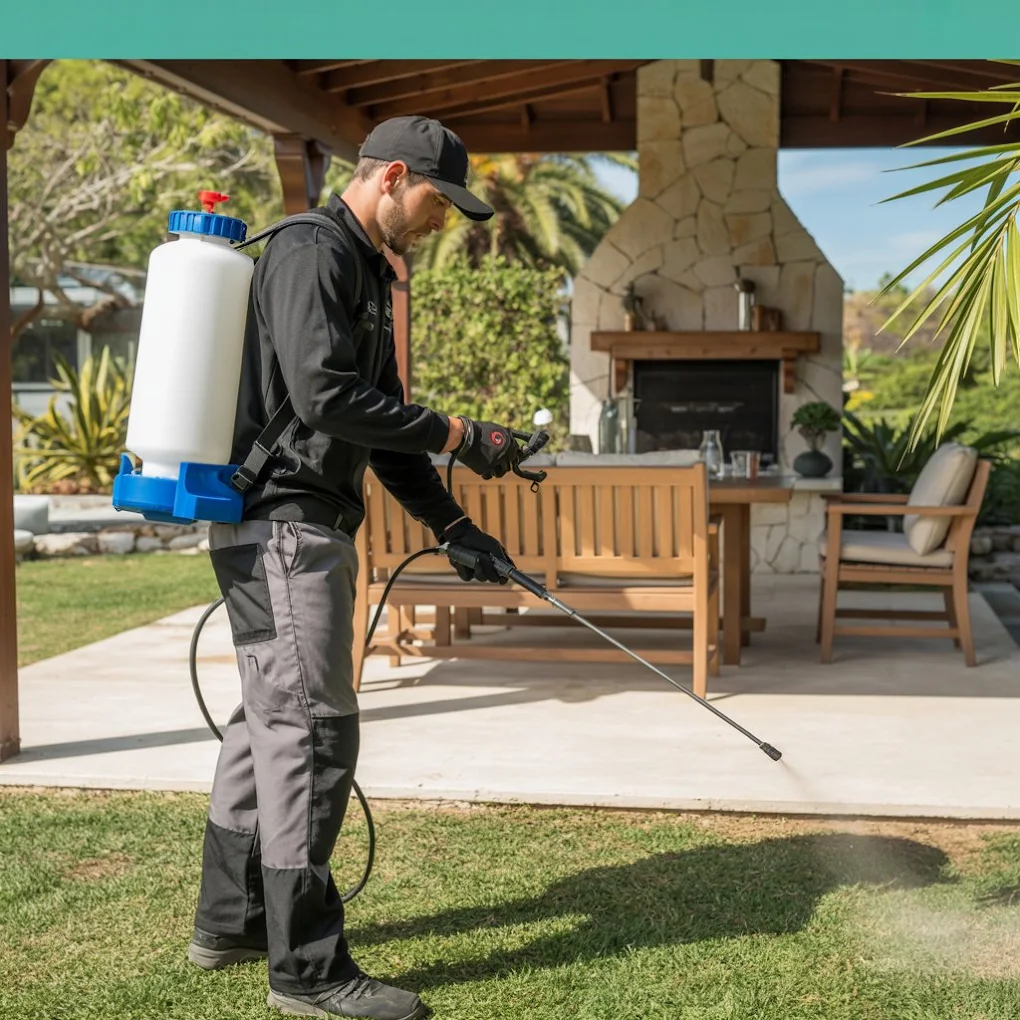
Treat appropriate indoor and outdoor zones
Continue vacuuming and monitoring through emergence
Inspection findings
Adult fleas spend time on animals, while immature stages develop in protected surroundings. Pet bedding, carpet edges, upholstery, shaded patios, crawl spaces, and wildlife resting areas are more useful inspection points than the center of an open floor.
Property treatment cannot prevent reinfestation if a pet or visiting animal continues carrying fleas. Veterinary guidance, vacuuming, laundering, habitat work, and targeted treatment need to support one another. The plan should also consider wildlife access when no household pet is present.
Developing fleas may emerge after the initial service as vibration and movement stimulate them. Continue the recommended vacuuming and monitoring routine, follow pet-care guidance, and report whether activity is declining across the known resting zones.
Before service
Before flea control, include the exact place where activity first appeared, how often it returns, recent moisture or building changes, and any products, repairs, or cleanup already completed. Clear photos or a safely collected specimen may also help with identification.
Pest prevention
Prevention should address the food, water, shelter, or access that supports fleas. The useful steps are the ones connected to findings at the individual property.
Homes
Residents should expect a coordinated plan and continued vacuuming rather than instant disappearance, because protected pupae can emerge after initial service.
Residential pest control information →Businesses
Animal-related facilities and shared housing need clear responsibility for pet care, laundry, floor treatment, and follow-up.
Commercial pest control information →Service areas
When assessing fleas, neighborhood features can influence pest pressure, but the inspection still needs to evaluate the building, landscaping, moisture, storage, and access at the individual property.
Service questions
Fleas can feed on people and wildlife, while immature stages persist in the environment. Pet absence does not immediately end activity.
Protected pupae can continue emerging. Vacuuming, movement, and follow-up help expose later stages.
Property treatment should be coordinated with veterinary guidance so animals do not continue carrying adult fleas.
Bites alone are not definitive. Live fleas, flea dirt, and pet or area inspection provide stronger evidence.
Related services
Reduce tick habitat and exposure with inspection, landscape guidance, pet-area planning, and targeted property control in Mission Viejo.
Explore tick controlFind the source of rat or mouse activity with rodent inspection, control, exclusion, and prevention guidance for Mission Viejo homes and businesses.
Explore rodent controlLearn bed bug signs, preparation, treatment, monitoring, and prevention steps for Mission Viejo homes and lodging properties.
Explore bed bug exterminationService request
When calling about flea control, include the exact location, how long the activity has been present, and any steps already taken.