Repeated flight into a wall, eave, vent, or ground opening
Record where this evidence appears and whether it is fresh or recurring. Its location can help focus the bee and wasp inspection.
Mission Viejo pest service
Bee and wasp activity should be assessed before anyone disturbs a nest. Species, nest location, access, and risk to people or pets determine whether removal, exclusion, monitoring, or another response is appropriate.
Pest evidence
For bee & wasp removal, record the exact location, time, and frequency of fresh evidence before cleaning or applying a product. Several signs considered together are more useful than one clue alone.
Record where this evidence appears and whether it is fresh or recurring. Its location can help focus the bee and wasp inspection.
When checking for bees or wasps, note the time and part of the building where this sign occurs. Repeated activity can help identify travel or nesting areas.
During a bee & wasp removal assessment, photograph visible damage or physical evidence before repair when it is safe. New changes are more useful than old, undated signs.
Compare this possible sign of bees or wasps with other evidence at the property and note any related moisture, food, shelter, or access conditions.
Property conditions
Roof edges, irrigation boxes, wall voids, trees, play areas, sheltered patio structures, and flowering landscapes can bring stinging insects close to daily activity.
Inspect this condition near the areas where bees or wasps has been reported. It may connect exterior activity with an indoor route.
For bees or wasps, check whether this resource is available consistently and whether activity increases when conditions change.
Protected spaces can allow bees or wasps to remain close to the building. Look for fresh evidence before making repairs or removing materials.
Inspection and service
The bee & wasp removal process should confirm the pest, connect activity with property conditions, explain the selected control steps, and provide a practical way to check results.
Observe flight pattern from a safe distance
Identify insect type and nest location where possible
Evaluate access and exposure risk
Explain removal and any needed repair or exclusion
Inspection findings
The insect’s body shape, flight pattern, nest material, and entry point help distinguish bees from different wasps and harmless look-alikes. Note whether activity enters soil, a wall, a roof edge, a tree cavity, or a visible paper nest without approaching closely.
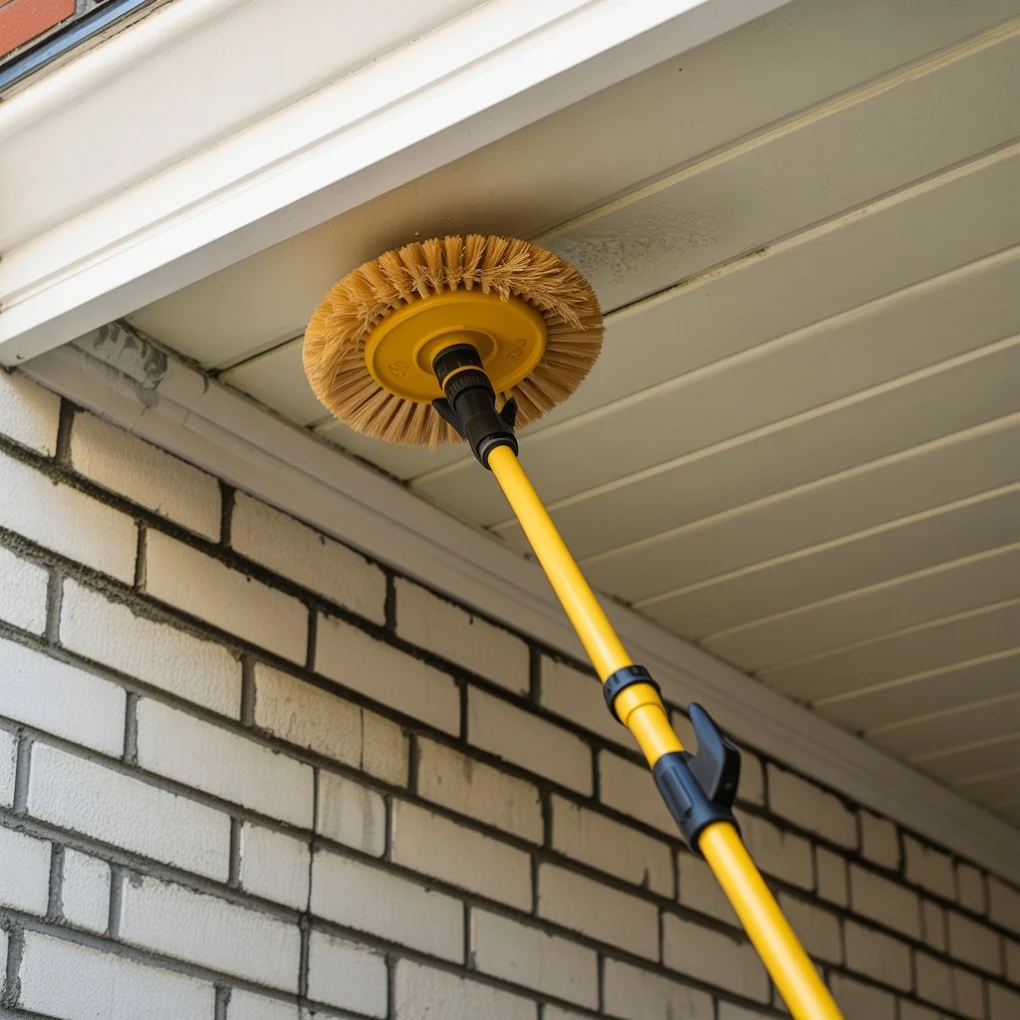
An exposed nest under an eave presents different access and follow-up needs from insects entering a structural void. Height, nearby doors or walkways, occupants, and the possibility of honey or nest material remaining inside all affect the practical response.
Continued traffic may indicate that the nest or access route still needs attention. Structural openings should be evaluated at the appropriate time, and any residue or material inside a void should be considered before the area is closed.
Before service
Before bee & wasp removal, include the exact place where activity first appeared, how often it returns, recent moisture or building changes, and any products, repairs, or cleanup already completed. Clear photos or a safely collected specimen may also help with identification.
Pest prevention
Prevention should address the food, water, shelter, or access that supports bees or wasps. The useful steps are the ones connected to findings at the individual property.
Homes
Homes need special care around children, pets, pools, entries, and neighboring yards. Honey bee situations may warrant a different approach from aggressive wasps.
Residential pest control information →Businesses
Customer entrances, outdoor dining, loading areas, and landscape maintenance routes require prompt risk assessment and careful scheduling.
Commercial pest control information →Service areas
When assessing bees or wasps, neighborhood features can influence pest pressure, but the inspection still needs to evaluate the building, landscaping, moisture, storage, and access at the individual property.
Service questions
Not while activity is ongoing. Sealing an active entrance can redirect insects indoors or leave nest material in the void.
No. Their nesting biology, behavior, and ecological role differ, so identification matters.
Keep the person away from the area and seek appropriate medical guidance for any sting reaction. Do not approach the nest.
No. A honey bee swarm is a temporary cluster while bees seek a home; an established colony occupies a cavity or built comb.
Related services
Reduce spider activity with inspection, web removal, prey management, exclusion, and practical prevention for Mission Viejo properties.
Explore spider controlReduce mosquito breeding and resting sites with property inspection, source reduction, and targeted control guidance in Mission Viejo.
Explore mosquito controlIdentification and control guidance for silverfish, moths, earwigs, crickets, flies, carpet beetles, centipedes, and millipedes.
Explore other pest controlService request
When calling about bee & wasp removal, include the exact location, how long the activity has been present, and any steps already taken.