Roof rats using trees, fences, and upper rooflines
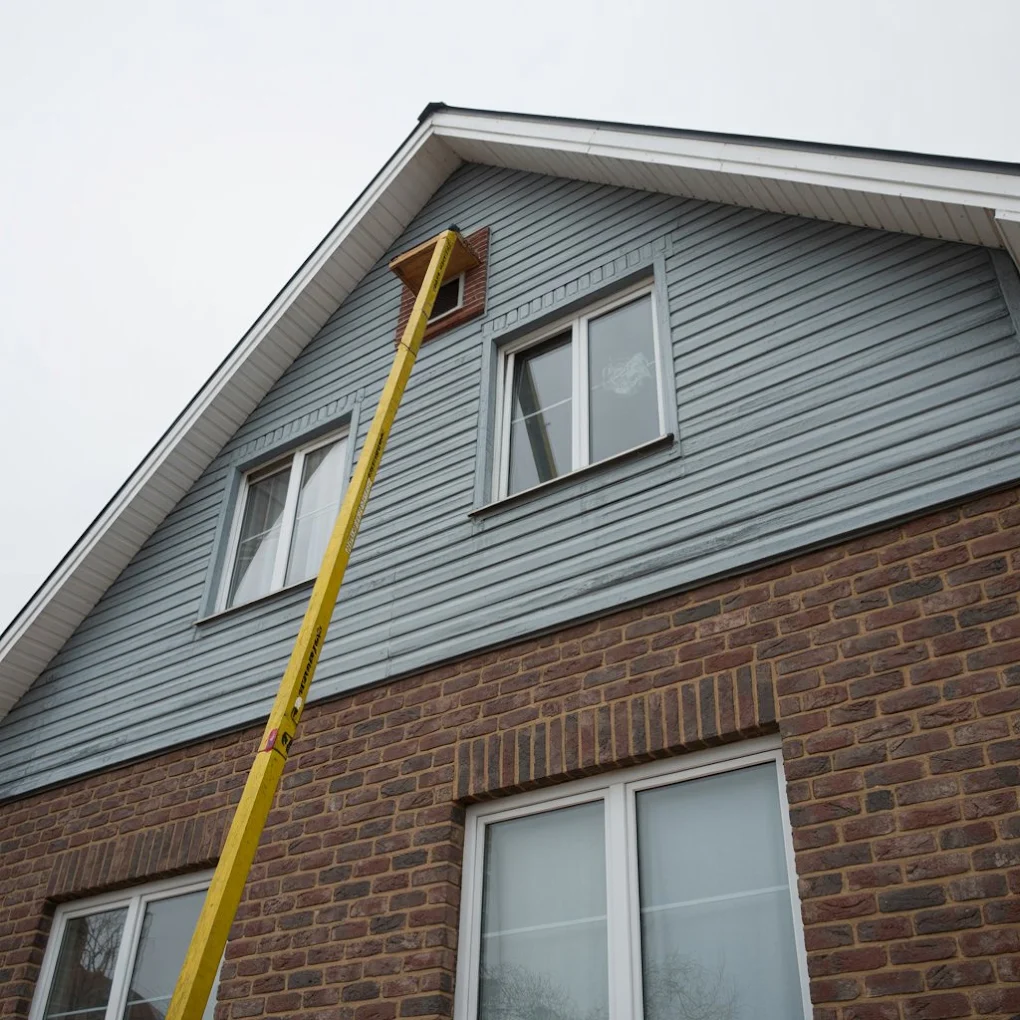
Roof rat access across elevated routes. Note which elevation the activity is occurring at and whether it connects to a retaining wall, fence, or overhanging branch.
Mission Viejo service area
Pacific Hills properties often have slopes, view lots, multi-level rooflines, landscaped walls, and outdoor spaces exposed to changing wind and sun. Inspections should treat upper levels and lower yard edges as one connected system.
Pest activity
These reflect the multi-level lots common in Pacific Hills. The evidence at your property should guide the service you request.
Roof rat access across elevated routes. Note which elevation the activity is occurring at and whether it connects to a retaining wall, fence, or overhanging branch.
Gopher activity in lawns and slopes. Note which fence line, retaining wall, or irrigation edge the freshest mounds are closest to, rather than counting older piles across the slope.
Ant movement after irrigation changes. Photograph the trail and note the date of any recent irrigation or watering-schedule change nearby.
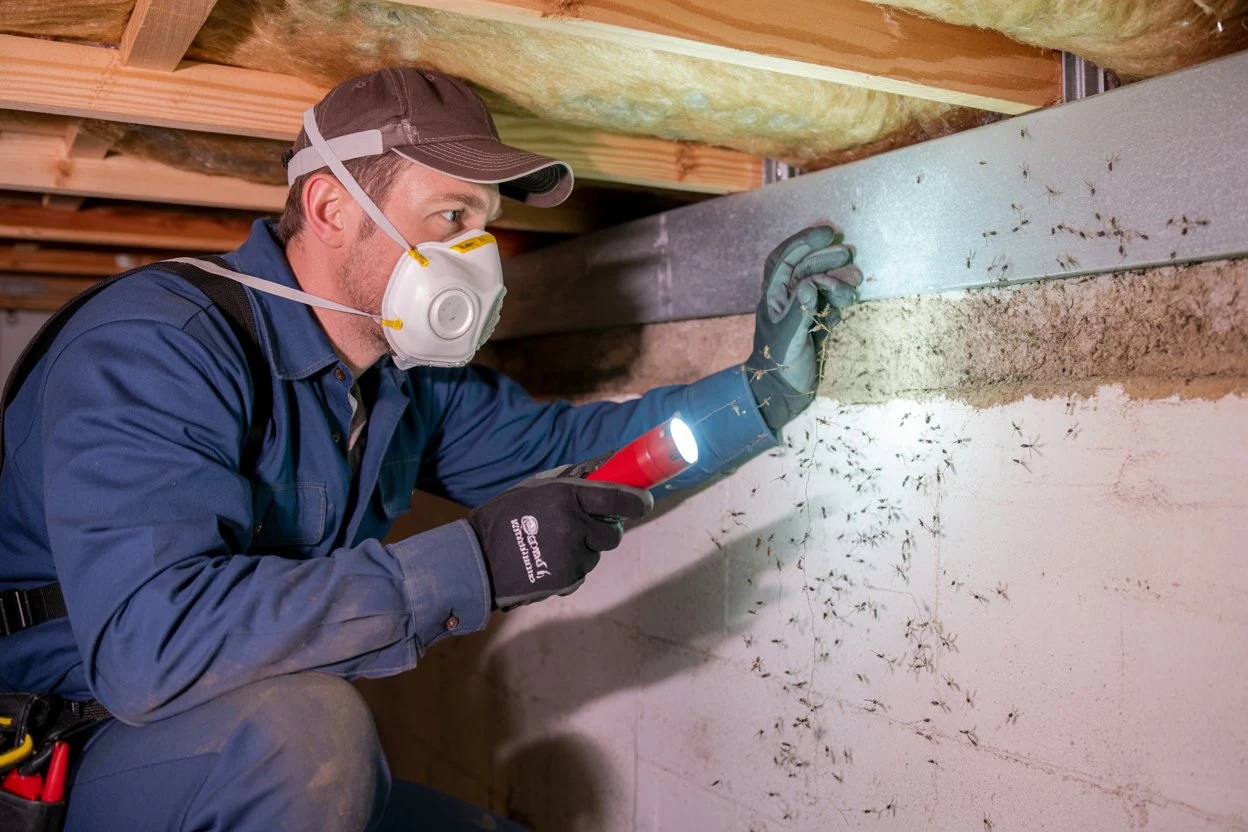
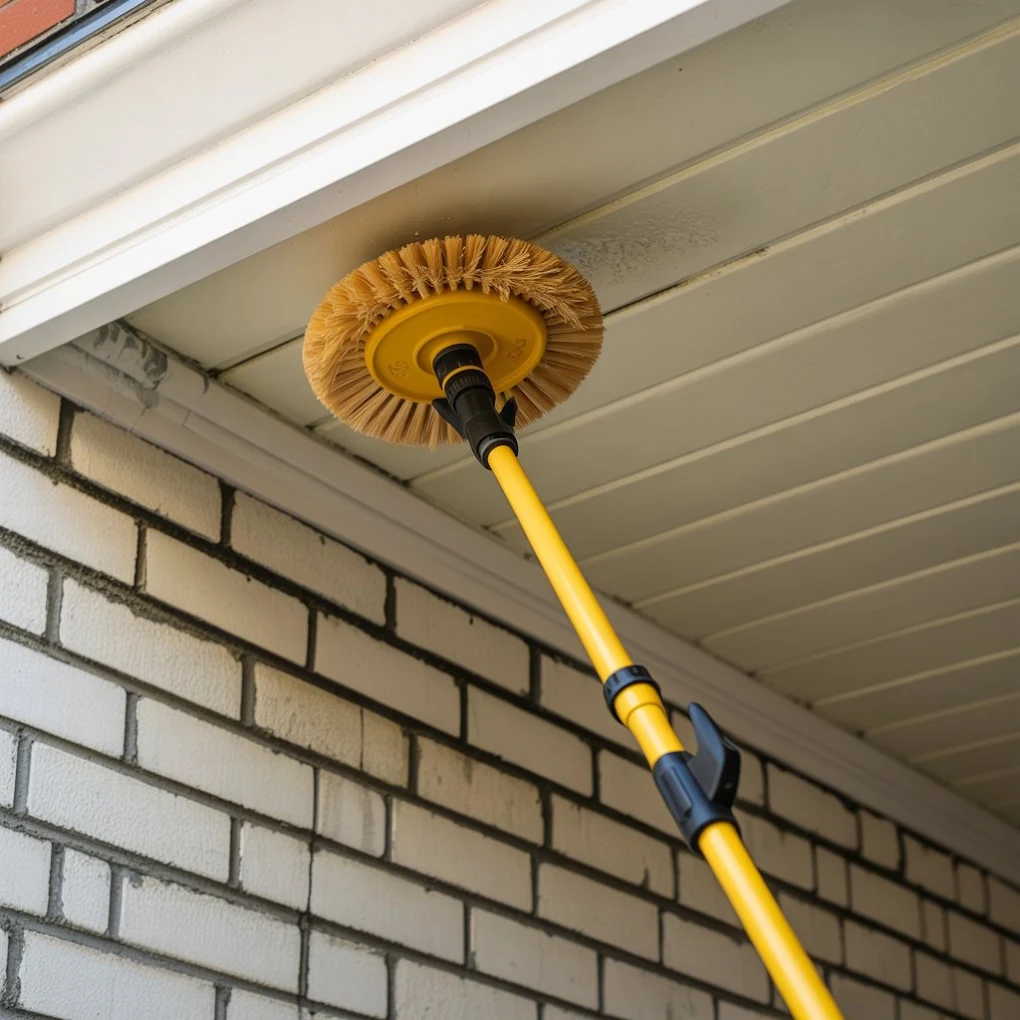
Termite signs in fascia and other wood. Compare indoor sightings with the fascia, eaves, and the wood right outside that level.
Property inspection
On Pacific Hills' multi-level lots, upper rooflines and lower yard edges often need to be treated as one connected system. A pest route can start at a retaining wall and end at an attic vent several elevations away.
Roof rats travel along high routes. Before the inspection, note the room, the timing, and any attic noise or droppings.
Compare gopher activity in lawns and on slopes against fence lines and irrigation drainage. Fresh mounds usually mark the one active tunnel.
Review ant movement after irrigation changes alongside drainage and planting density on the slope. A change in watering schedule is a common reason a trail appears where it hasn't before.
Relevant services
Each service page for Pacific Hills covers signs, inspection, treatment, prevention, and follow-up.
Learn the signs of roof rat activity and request rat inspection, control, exclusion, and prevention help in Mission Viejo.
Explore rat controlAddress fresh gopher mounds and landscape damage with burrow inspection, targeted control, and prevention guidance in Mission Viejo.
Explore gopher controlUnderstand ant trails, nesting conditions, treatment choices, and prevention for kitchens, patios, walls, and landscapes in Mission Viejo.
Explore ant controlFewer spiders for Mission Viejo properties. We inspect, remove webs, seal entry points, and cut the insects they feed on.
Explore spider controlLearn the warning signs of termites, how an inspection works, treatment options, and prevention for Mission Viejo properties. Request termite control service.
Explore termite controlHomes and residential properties
Trees, fences, roof returns, retaining walls, drains, and irrigation routes can all guide pests. A garage or attic may be reached from a route that starts well below or behind the visible entry point.
Residential service here connects indoor evidence with the elevation and slope conditions right outside. Access, preparation, and follow-up can differ between an upper roofline and a lower yard edge.
Read about residential pest control →Property maintenance
The checklist below focuses on the multi-level and slope conditions most relevant to Pacific Hills. Revisit it after any inspection to see what's changed.
Local inspection context
Slopes, view lots, multi-level rooflines, landscaped walls, lower yard edges, and changing sun and wind exposure. Use these as starting points. Your property's evidence decides the plan. The pest, evidence, access, moisture, food sources, and entry routes found at the specific address should determine the response.
Before service, note:
Local inspection route
Properties with multiple levels and slopes create more exposed roof edges, retaining walls, and irrigated planting areas than a simple flat lot. Roof rats can move from slope plantings to fences to upper rooflines. Pocket gophers work through irrigated lawns and slope soil, leaving fresh mounds that can disrupt turf and irrigation lines.
For rodents, start at the roof and work down. Check eave and gable vents, roof returns, and anywhere trees or utility lines touch the house. For gopher concerns, look for fresh, fan-shaped soil mounds and note where they appear relative to sprinkler heads and slope edges. Gopher control and rat control use very different tools, so identifying the animal first matters.
Slope drainage also affects pests indirectly. Erosion, overwatering, and poor drainage can expose wood, undermine planters, and create damp zones along foundations. After irrigation changes or heavy rain, walk the slope and the base of retaining features and note anything new.
Local pest control questions
Water, plants, burrows, and animal travel can connect different elevations, so looking from only one side can miss the source or route.
The multi-level lots typical of Pacific Hills raise a specific set of concerns. These are roof rat access across elevated routes, gopher activity in lawns and on slopes, and ant movement after irrigation changes.
Yes. On multi-level Pacific Hills lots, upper rooflines and lower yard edges can each provide a separate route indoors, so both need checking.
Note the exact location, timing, frequency, and which elevation of the property the activity is occurring at.
Nearby service areas
Service request
When you call about a Pacific Hills property, tell us: