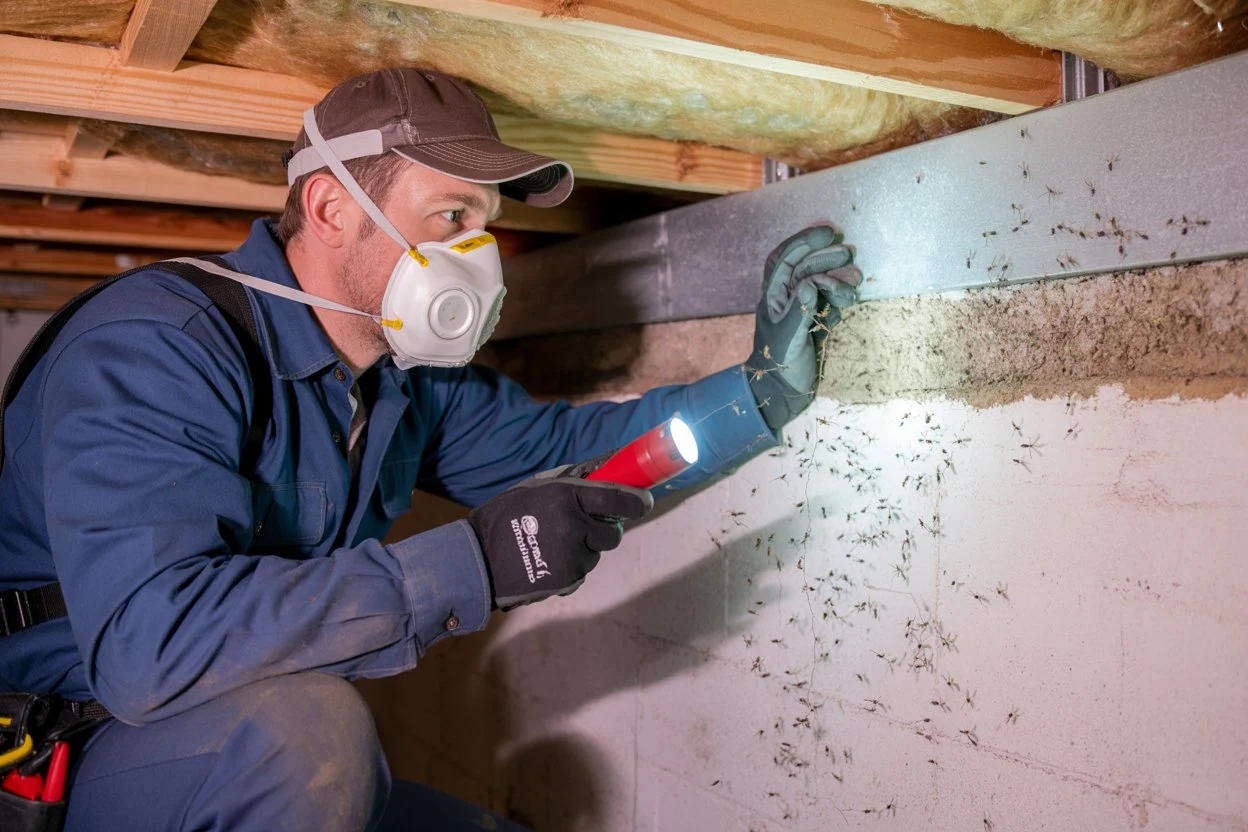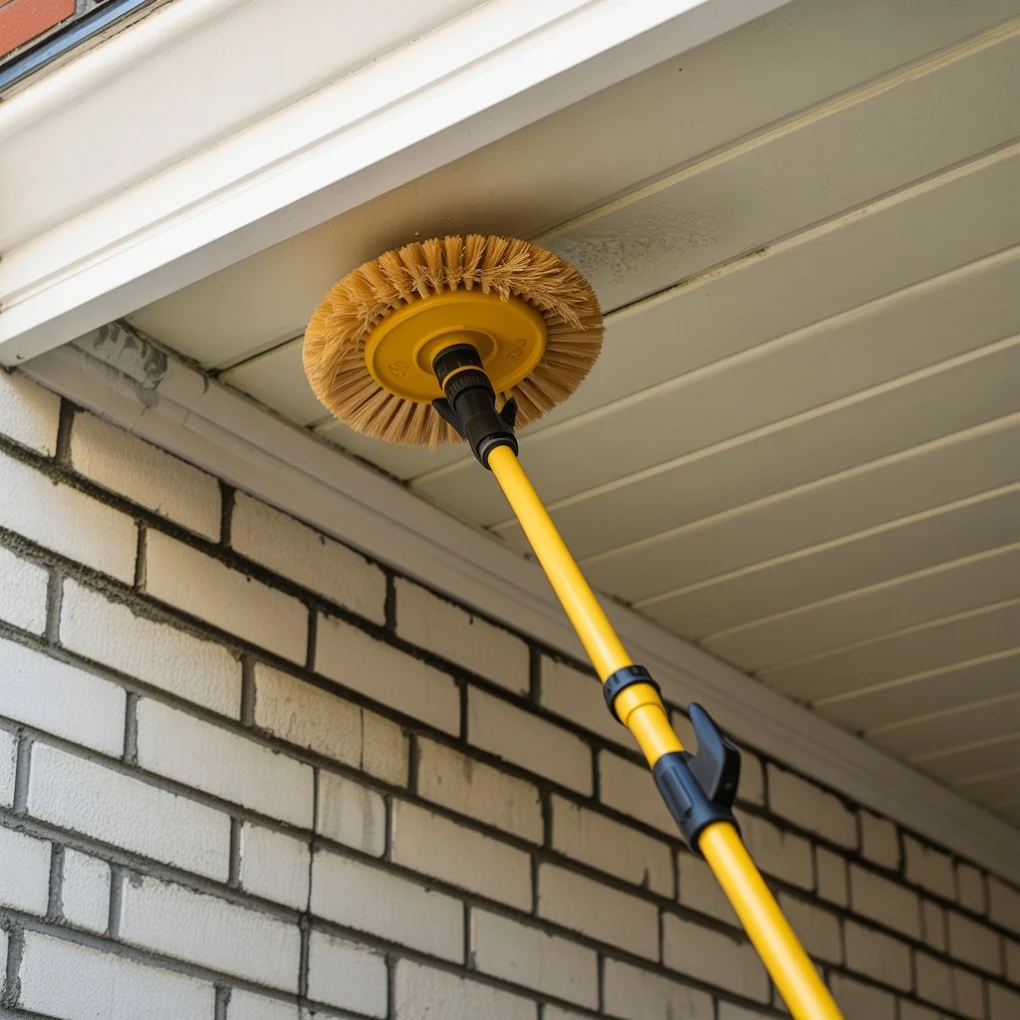
Discarded wings or swarmers near windows and doors
Record where this evidence appears and whether it is fresh or recurring. Its location can help focus the termite inspection.
Mission Viejo pest service
Termite activity is easy to miss because much of a colony can remain inside wood or soil. A careful assessment separates active evidence from old damage, identifies the likely termite type, and helps match the response to the structure rather than choosing a treatment before the source and extent are understood.
Pest evidence
For termite control, record the exact location, time, and frequency of fresh evidence before cleaning or applying a product. Several signs considered together are more useful than one clue alone.
Record where this evidence appears and whether it is fresh or recurring. Its location can help focus the termite inspection.
When checking for termite activity, note the time and part of the building where this sign occurs. Repeated activity can help identify travel or nesting areas.
During a termite control assessment, photograph visible damage or physical evidence before repair when it is safe. New changes are more useful than old, undated signs.
Compare this possible sign of termite activity with other evidence at the property and note any related moisture, food, shelter, or access conditions.
Property conditions
Southern California properties can encounter both drywood termites, which live within wood, and subterranean termites, which maintain contact with soil. Roof edges, fascia, attics, crawl spaces, foundations, plumbing penetrations, stored lumber, and persistent moisture all deserve attention during an inspection.
Inspect this condition near the areas where termite activity has been reported. It may connect exterior activity with an indoor route.
For termite activity, check whether this resource is available consistently and whether activity increases when conditions change.
Protected spaces can allow termite activity to remain close to the building. Look for fresh evidence before making repairs or removing materials.
Inspection and service
The termite control process should confirm the pest, connect activity with property conditions, explain the selected control steps, and provide a practical way to check results.
Review where activity or damage has been noticed
Inspect accessible wood, foundation edges, attics, and moisture-prone areas
Distinguish termites from flying ants and document evidence
Explain treatment scope, preparation, and follow-up before work begins
Inspection findings
The first question is whether the evidence points to active termites, older damage, or another wood-related problem. The inspection also needs to consider termite type, the location of visible signs, moisture, soil contact, and parts of the structure that cannot be reached without additional access.
A small, accessible area of drywood termite activity is not the same as evidence found in several parts of a building. Subterranean termite routes introduce different soil and foundation considerations. The recommended scope should follow the evidence and explain what the proposed work can reasonably address.
Keep records of the original evidence and watch the same areas for new pellets, wings, tubes, or wood changes. Correcting leaks and preserving access to foundations, eaves, attics, and trim also makes future inspections more useful.
Before service
Before termite control, include the exact place where activity first appeared, how often it returns, recent moisture or building changes, and any products, repairs, or cleanup already completed. Clear photos or a safely collected specimen may also help with identification.
Pest prevention
Prevention should address the food, water, shelter, or access that supports termite activity. The useful steps are the ones connected to findings at the individual property.
Homes
For homes, treatment planning should account for occupied rooms, attached garages, patios, eaves, and inaccessible framing. Localized evidence may call for a different approach than activity spread through multiple areas.
Residential pest control information →Businesses
For commercial properties, documentation, tenant coordination, inventory protection, and scheduling can be as important as treatment selection. The inspection should identify both active areas and conditions that could support future activity.
Commercial pest control information →Service areas
When assessing termite activity, neighborhood features can influence pest pressure, but the inspection still needs to evaluate the building, landscaping, moisture, storage, and access at the individual property.
Service questions
Swarmers, discarded wings, mud tubes, pellet-like frass, and wood that sounds hollow are common clues. Because some signs resemble water damage or ant activity, an inspection is the clearest next step.
Drywood termites can live inside dry structural wood without soil contact. Subterranean termites generally nest in soil and travel through protected routes such as mud tubes.
Yes. Galleries can remain behind paint, drywall, trim, or insulation. Visible surface damage may not show the full extent of activity.
Request an inspection when you notice swarmers, wings, tubes, pellets, unexplained wood changes, or moisture conditions that could attract wood-destroying organisms.
Future activity is possible because treatments address defined conditions and areas, not every future pathway. Moisture correction, monitoring, and recommended follow-up reduce the chance of a new problem going unnoticed.
Related services
Understand ant trails, nesting conditions, treatment choices, and prevention for kitchens, patios, walls, and landscapes in Mission Viejo.
Explore ant controlFind the source of rat or mouse activity with rodent inspection, control, exclusion, and prevention guidance for Mission Viejo homes and businesses.
Explore rodent controlReduce spider activity with inspection, web removal, prey management, exclusion, and practical prevention for Mission Viejo properties.
Explore spider controlService request
When calling about termite control, include the exact location, how long the activity has been present, and any steps already taken.